What tarot is and how it works
A tarot deck has 78 cards. The 22 Major Arcana describe big life themes and archetypes, while the 56 Minor Arcana describe everyday situations, feelings and actions. More on the difference in our guide to the Major and Minor Arcana.
Tarot does not forecast the future like the weather. It works best as a mirror: the images help you see a situation from another angle, notice what you feel but have not put into words, and choose your next step. That is how most modern readers approach it.
Step 1. Choose a deck
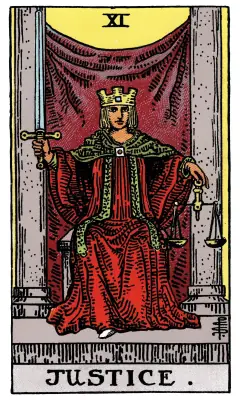
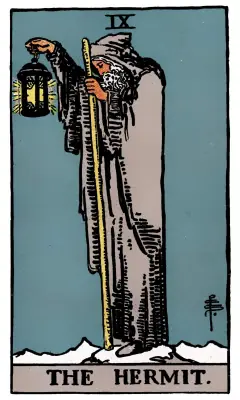
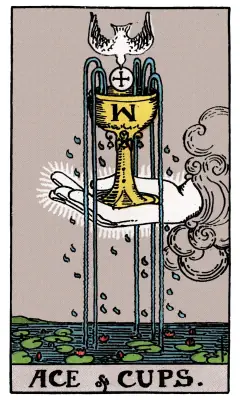
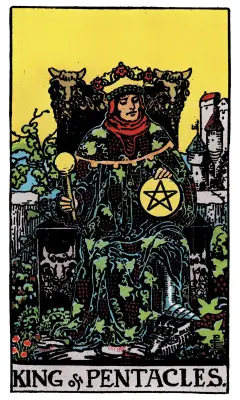
The Rider-Waite-Smith deck (1909) is the best place to start. Every card — even the Three of Swords or the Seven of Pentacles — shows a scene, so you can “read” the meaning from the picture. Most books, courses and guides, including our tarot card meanings library, are based on this deck.
The popular idea that someone must gift you your first deck is only a superstition. Choose one you like: it is easier to work with cards you want to come back to.
Step 2. Get to know the cards
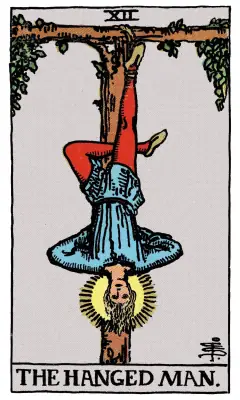
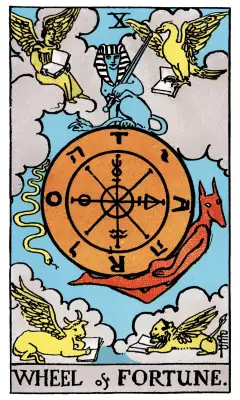
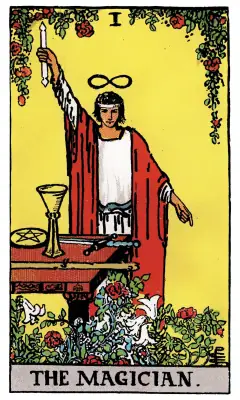
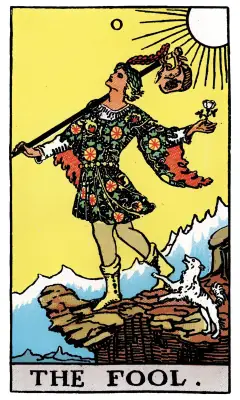
Do not try to learn all 78 meanings in a week. Start with the Major Arcana — there are 22 of them and they form one story, “the Fool’s journey”: from The Fool setting out to The World completing the cycle. For each card:
- study the picture: who is on the card, what they are doing, which colours and symbols you notice;
- write down two or three keywords in your own words, then compare them with a guide;
- think about where this energy already shows up in your life.
The best daily practice is a card of the day. Draw one card in the morning, read its meaning, and in the evening think about how it showed up. In two or three months you will know the whole deck without cramming.
Step 3. Phrase your question
The quality of the answer depends on the question. Open questions about you and the near future work better than yes-or-no questions about the distant future or about other people.
| Instead of | Ask |
|---|---|
| Will he come back? | What do I need to understand about this relationship? |
| Will I get this job? | How can I best prepare for the interview? |
| What will happen to me? | What should I focus on this month? |
More than 40 examples for love, work and personal growth are in our list of questions to ask tarot.
Step 4. Shuffle the deck
There is no single right way. What matters is to shuffle while holding your question in mind and to stop when it feels like enough.
- Overhand shuffle — move small stacks of cards from one hand to the other.
- Riffle shuffle — the casino way: fast, but it wears the cards out.
- Table wash — spread the cards face down and mix them with your palms. It is the easiest way to get reversed cards.
After shuffling you can cut the deck into three piles and stack them in any order. Take cards from the top or draw them from a fanned spread — whichever feels right.
Step 5. Start with a simple spread
A spread is a layout where every position has its own meaning. The same card says different things in the “Past” position and in the “Advice” position.
- One card — advice for the day or a quick answer: Yes or No tarot.
- Three cards — Past, Present, Future, the best spread for learning.
- Five to ten cards — the Five Card Cross, the Horseshoe and the Celtic Cross once you feel confident.
Layouts and position meanings for 17 spreads are collected in our tarot spreads guide.
Step 6. Read the cards as a story
Beginners often read each card separately, like a dictionary. Experienced readers look for connections. Pay attention to:
- the position — what the card means in this particular place in the spread;
- neighbouring cards — they strengthen or soften each other;
- the number of Major Arcana — many of them mean an important, fateful period;
- the dominant suit — it points to the area of life where the answer lies;
- repeated numbers — several fives, for example, point to conflict or change.
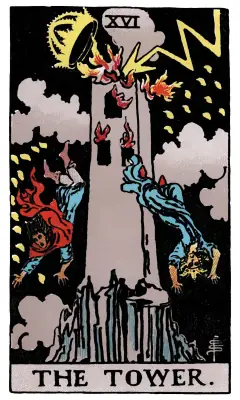
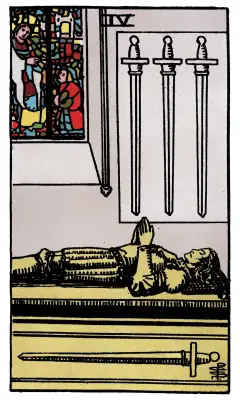
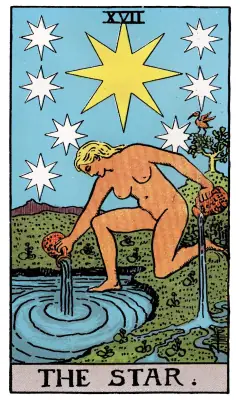
Example: past — The Tower, present — Four of Swords, future — The Star. Together they tell a story: after a sudden upheaval comes a time to rest and gather strength, and ahead lie recovery and hope.
You can skip reversed cards at first. When you want to add them, read our guide to reversed cards.
Step 7. Keep a tarot journal
Write down the date, your question, the cards and your first impression. A few weeks later, reread your notes: it is the fastest way to see how the cards “talk” to you.
In the Numen app your reading history is saved automatically, and Vesper, the AI mentor, explains every spread using the positions and your question.
Common beginner mistakes
- Asking the same question again and again until the “right” answer comes up.
- Taking “scary” cards literally: Death usually means the end of a chapter, not physical death.
- Jumping straight into big ten-card spreads.
- Letting the cards make the decision: tarot helps you think, but you make the choice.